As new energy vehicles gain rapid adoption and green mobility extends across an ever broader range of land, water, and air scenarios, the focus of the industry is shifting beyond “how to achieve technological breakthroughs” toward “how to achieve safe, reliable, and sustainable development.”
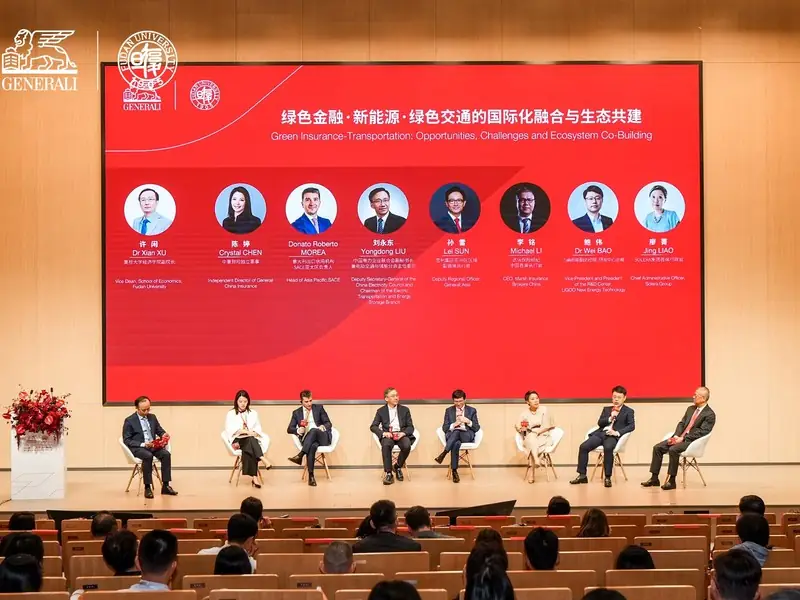
On October 13, the 3rd International Green Energy Emerging Risks Forum was held in Shanghai. Hosted by Generali China Insurance Co., Ltd. and Fudan University, and supported by the China-Italy Chamber of Commerce, the forum was themed “Green Insurance Empowering Chinese Modernization — A Global New Paradigm.” It featured exchanges on green energy transition, green mobility risk governance, insurance innovation, and international collaboration. The Green Mobility Insurance White Paper was released at the event, showcasing innovative insurance solutions for the energy storage sector and charting a new path for risk governance in global green mobility development and energy transition.
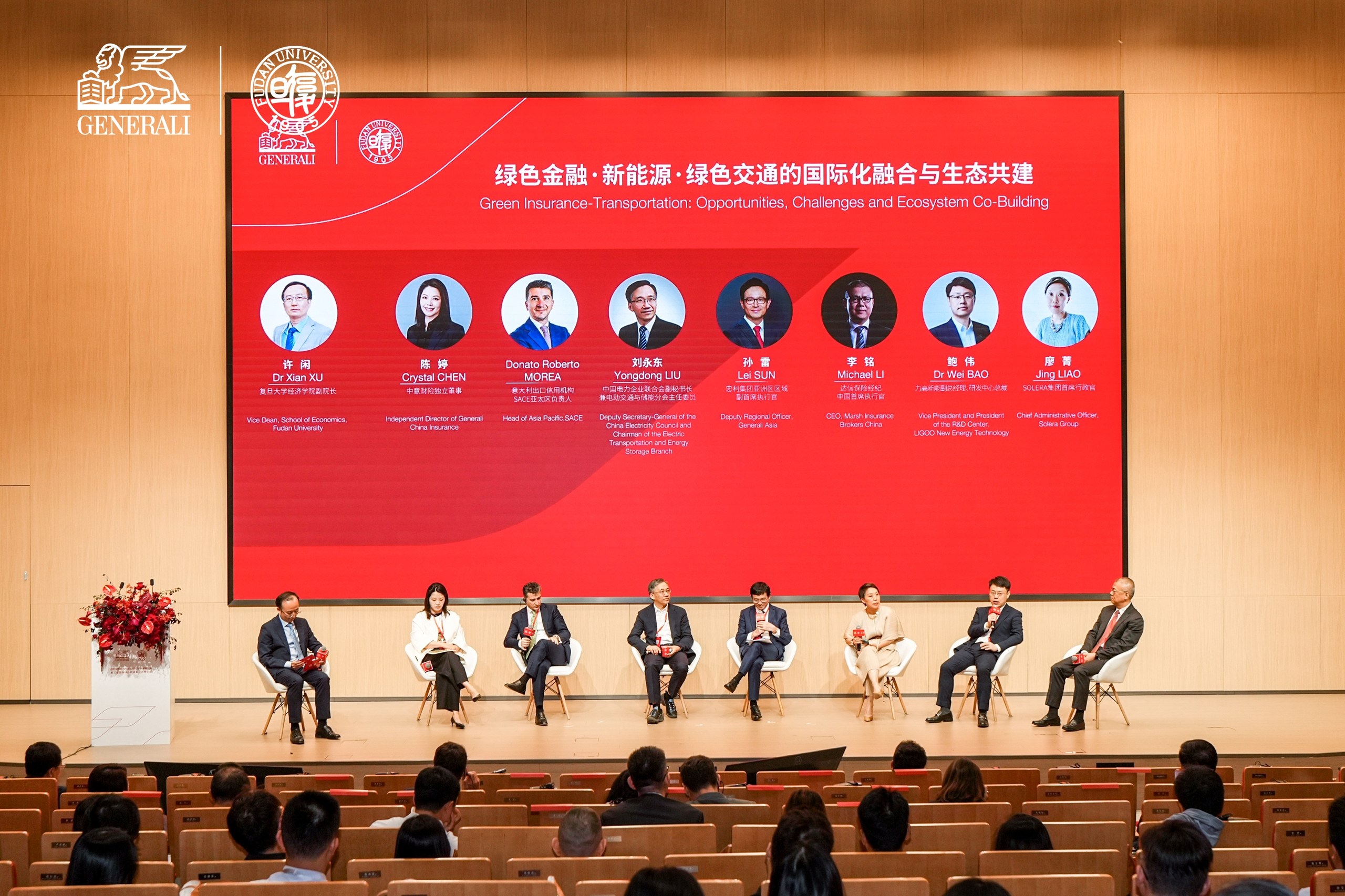
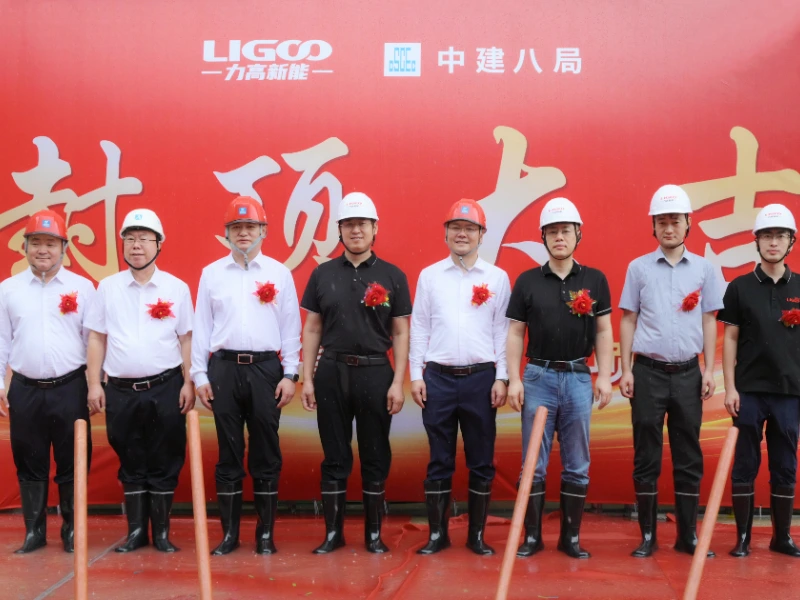
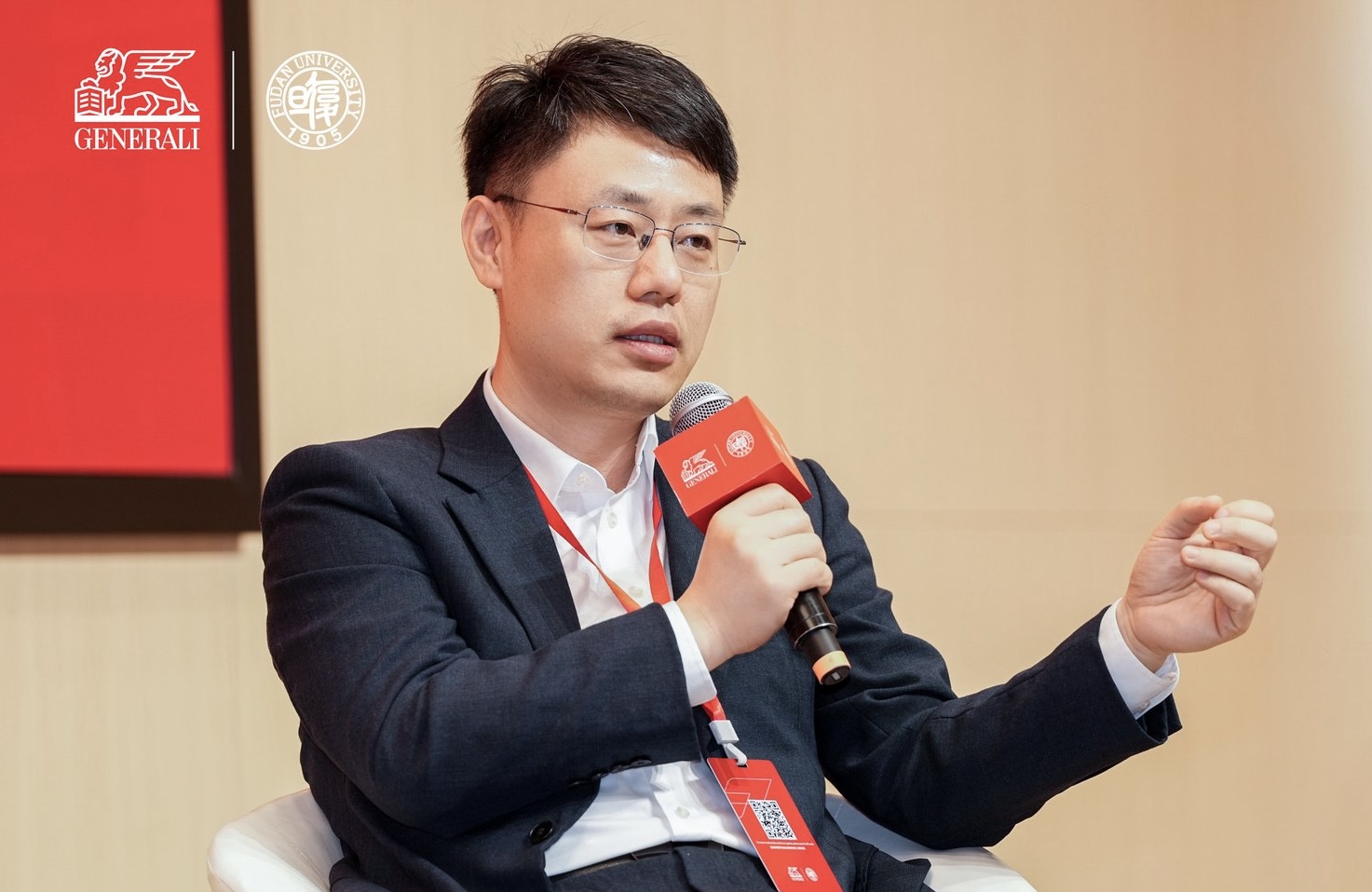
Dr. Bao Wei, Vice President of LIGOO New Energy and President of its R&D Center, was invited to join the roundtable discussion. Together with guests from the insurance, finance, industry association, data services, and new energy sectors, he exchanged views on battery data sharing, charging safety, liability for intelligent driving, and risk coverage for new energy companies expanding overseas. The discussion explored how cross-industry collaboration can optimize risk assessment frameworks and full lifecycle services, so that insurance coverage better matches the real needs of the industry.
From Product Function to Industry Foundation
The rapid development of green vehicles—new energy vehicles, electric vessels, and low-altitude aircraft—is opening up new space for the industry, while also raising higher requirements for safety management, asset valuation, operational services, and risk governance.
The safety status, state of health, and performance degradation of traction batteries directly affect the safety performance of the entire vehicle and system, and also influence multiple aspects including warranty management, used-vehicle residual value, insurance coverage, and asset operation.
During the roundtable, Dr. Bao noted that continuous, authentic, and traceable battery operating data is an essential foundation for identifying battery state of health, enabling risk early warning, and achieving full lifecycle management.
By continuously collecting and analyzing key data such as voltage, temperature, internal resistance, state of charge (SOC), and state of health (SOH), the BMS enables real-time battery monitoring and control. This helps industry stakeholders identify potential risks earlier and understand battery conditions more accurately, while providing data support for downstream operation and maintenance, warranty, residual value assessment, and risk services. The BMS is steadily growing into an indispensable foundational capability of the new energy industry.
Adding a Critical Technology Link to Green Mobility
The high-quality development of green mobility depends on coordination across technology, industry, finance, insurance, and standards systems.
The topics highlighted at the forum—traction battery safety, full lifecycle asset management, and data governance—all ultimately rest on authentic, continuous, and trustworthy data. Only by making battery operating status visible can risks be better assessed; only with full lifecycle data can product design, operational decisions, and service innovation be supported by more reliable evidence.
As a leading company in the BMS field, LIGOO New Energy has long been dedicated to traction battery management technologies, with continuous investment in product R&D, data capabilities, algorithm application, and scenario adaptation, providing sustainable and replicable foundational support for the industry’s development.
From new energy vehicles to commercial vehicles, energy storage, electric vessels, and more emerging applications, the BMS is connecting a growing range of industry needs. It is the sensing entry point for safety management and an important basis for full lifecycle value management; it serves a single vehicle or a single system, and also serves a more mature new energy industry ecosystem.
LIGOO Actively Contributes to Industry Development
This forum was not only a cross-sector exchange of ideas, but also highlighted that, as the new energy industry moves toward high-quality development, the BMS is more than a technical carrier that outputs precise and objective battery data. Its real-time data closed-loop capability, which connects the entire chain from risk monitoring, identification, and assessment to on-the-ground governance, makes it a key lever for addressing risk management challenges in the new energy industry and is drawing growing attention across the sector.
As a leading professional BMS company, LIGOO New Energy is honored by this invitation and encouraged by the industry’s prospects. Over the years, LIGOO has actively participated in industry standardization, technical exchange, and industrial practice, contributing extensively to the development of multiple national standards, including core national standards on functional safety of road vehicles and technical and safety specifications for battery management systems of electric vehicles.
In addition, LIGOO has consistently worked with customers on joint innovation and taken part in a wide range of industry exchanges, helping to shape industry norms through its technological strength and exploring development pathways together with industry partners to support the high-quality development of the green mobility industry.
Looking ahead, LIGOO New Energy will continue to leverage its mature and reliable product solutions, robust battery data capabilities, and open, win-win approach to cooperation, participating in future-oriented exploration, discussion, and implementation across the new energy industry, promoting the deep integration of green finance, new energy technologies, and the green mobility industry.
The development of the new energy industry is entering a new stage that places greater emphasis on safety, quality, service, and systemic capabilities.
Looking to the future, LIGOO New Energy will remain rooted in its core BMS domain and continue to drive technological innovation and scenario-based application. At the same time, it will engage more openly in industry exchange, standards development, and ecosystem building, cultivating technology with a long-term mindset and serving the industry with professional expertise. Together with industry peers, it will ensure that every step of progress becomes a solid stride toward a safer, more reliable, and more sustainable new energy future.